

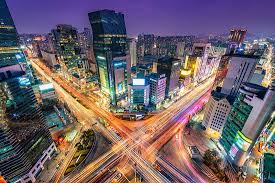
In 1950, only two cities in the world had more than 10 million inhabitants—New York and Tokyo. Today, there are over 40 megacities spread across every continent, and their number continues to rise. They are the beating hearts of our global economy, cultural melting pots, and often, showcases of both dazzling innovation and daunting challenges. To understand the future of humanity, one must understand megacities.
What Exactly Is a Megacity?
A megacity is defined as an urban area with over 10 million residents. These cities are more than just population centers—they are magnets of migration, centers of political and economic power, and hubs of technological and cultural transformation.
But not all megacities are alike. Some, like Tokyo (the largest in the world with over 37 million people), are paragons of planning, infrastructure, and order. Others, like Lagos, Nigeria, embody explosive, chaotic growth, where opportunities abound but infrastructure strains under pressure.
The Rise of the Megacity
- 1950: 2 megacities
- 1990: 10 megacities
- 2025: Over 40 megacities projected
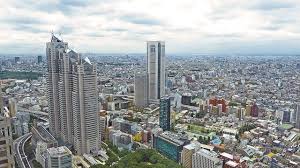
This surge is not accidental—it mirrors the shift from rural to urban life. Today, more than 55% of the world’s population lives in cities, and by 2050, that figure is expected to climb to nearly 70%. Megacities are at the core of this urban explosion.
Life in a Megacity: Opportunity and Overwhelm
Life in a megacity is often a paradox.
- Economic Powerhouses: Cities like Shanghai, São Paulo, and Mumbai contribute more to their national GDP than entire provinces or states. They are engines of wealth creation and hubs for global business.
- Cultural Crossroads: From fashion in Paris to cinema in Mumbai, megacities are laboratories of culture and creativity.
- Infrastructure Stress: Transport, housing, and energy networks struggle to keep up with surging populations. In Mexico City, for example, traffic congestion costs billions in lost productivity annually.
- Social Inequality: Glittering skyscrapers often rise beside sprawling slums, with vast disparities in wealth, safety, and access to clean water or healthcare.
Case Studies of Megacities
Tokyo: The Model Megacity
With over 37 million people, Tokyo is often hailed as the most efficient megacity. Its rail system, famous for punctuality, moves millions daily with clockwork precision. Despite its density, Tokyo maintains one of the lowest crime rates in the world. Yet, it faces demographic decline—an aging population could reshape the city as much as overpopulation does elsewhere.
Lagos: Growth Without a Pause
Lagos, Nigeria, has surged past 20 million residents and continues to grow at lightning speed. Its dynamism fuels Africa’s largest economy, but housing shortages, flooding, and traffic snarls present daily hurdles. Lagos symbolizes the future of urbanization—young, fast-growing, and full of both potential and peril.
São Paulo: The Giant of Latin America
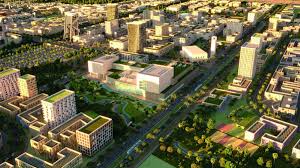
Home to nearly 23 million people, São Paulo is Brazil’s financial engine and cultural beacon. Yet, crime, pollution, and vast social divides mark its landscape. The city is a lesson in how rapid growth can produce both immense wealth and staggering inequality.
Mumbai: The City of Dreams—and Struggles
India’s financial capital, with over 25 million people, is a place where billionaires live beside slum dwellers. Mumbai embodies resilience, cultural energy, and entrepreneurship, but it also highlights the limits of infrastructure stretched thin by constant migration.
New York City: The Global Icon
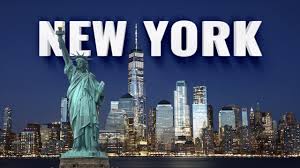
Though smaller than some Asian and African megacities, New York remains a global megacity in influence. Its 20 million residents shape finance, art, politics, and media. For many, New York is proof that megacities can become global brands, embodying the spirit of a nation.
The Challenges Ahead
Megacities face universal challenges:
- Climate Change: Rising seas threaten coastal giants like Jakarta, Shanghai, and New York.
- Overpopulation: Housing crises and informal settlements proliferate.
- Infrastructure Pressure: Transport, energy grids, and waste systems are under constant strain.
- Social Tensions: Inequality, crime, and health disparities create fragile social fabrics.
Yet, solutions are emerging—smart city technologies, green urban planning, renewable energy grids, and bold social policies are being tested across the globe.
The Future of Megacities
The 21st century will be the century of megacities. By 2050, most of the world’s population will live in urban areas, and the fate of nations will be tied to how these vast urban centers manage growth, inequality, and sustainability.
Some will rise as models of human ingenuity, blending technology and inclusivity. Others risk becoming cautionary tales of unchecked expansion.
Final Thought
Megacities are more than numbers or maps—they are the living, breathing embodiment of humanity’s future. They tell us where the world is heading: toward a future that is bigger, faster, denser, and ultimately shaped by how we choose to build and sustain the cities we call home.